
PDFカタログのご案内
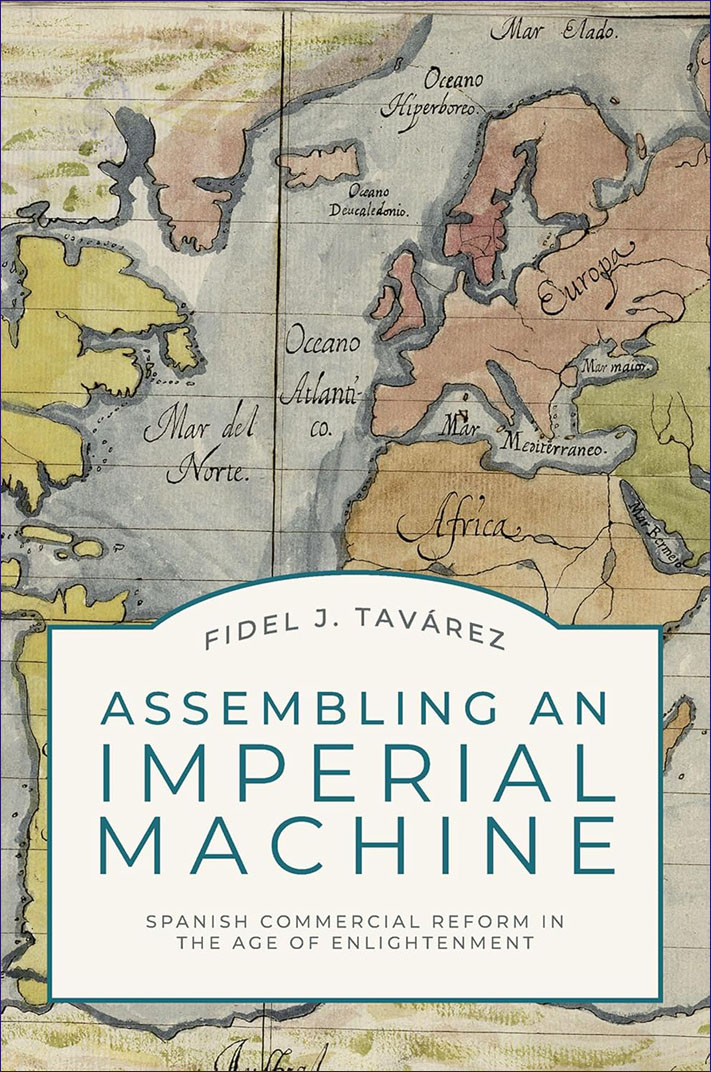
Assembling an imperial machine: Spanish commercial reform in the age of enlightenment ∥ Tvárez, Fidel J.
-----------------------------------
ISBN13: 9780197755051
-----------------------------------
サイズ: 16 x 24 x 2.1 cm
-----------------------------------
頁 数: 368 pgs.
-----------------------------------
装 丁: paper cover
-----------------------------------
出版社: Oxford U.P.
-----------------------------------
発行年: 2026
-----------------------------------
発行地: Oxford
-----------------------------------
双書名:
本書は、18世紀のスペインの政治家たちが推し進めた野心的な帝国改革と、その中核をなした商業政策「自由貿易(コメルシオ・リブレ)」を、経済史・思想史・政治史を組み合わせて検討した研究です。著者のフィデル・J・タバレス氏は、秩序ある帝国を調和した機械にたとえ、帝国経済の自由化と統合を図った構想の全体像を明らかにします。従来の船団やガレオン船による体制に代えて、帝国内部で自由な交易を行う仕組みが導入され、改革を担った人々は、軍事力だけでなく市場の追求こそが近代の商業社会で成功する鍵だと確信するようになりました。彼らは、スペインとアメリカを一体とした自給的な小宇宙として、国際貿易に伴う競争や戦争を避けながら世界の交易に参加することを思い描きました。本書はスペインとスペイン領アメリカの動向を往還しつつ、先住民やアフリカ系住民を含む数百万の人々を結びつけようとした構想を示し、本国の利益のために植民地の資源を搾り取る発想から、相互に利益をもたらす対等な連合体という発想へ至る変化をたどります。この改革を単なる重商主義への逆戻りではなく、近世のグローバル化がもたらした難題への真摯な取り組みと位置づける一冊です。書籍の言語:英語 (SBC: 194846)
[対象地域、年代、研究分野]
対象地域はスペイン、スペイン領アメリカ(ラテンアメリカ)、年代は18世紀(啓蒙の世紀)、研究分野は近世スペイン帝国史、経済史・商業政策史、経済思想史、ブルボン改革史、大西洋世界史です。近世イベリア史やスペイン帝国史、ラテンアメリカ植民地史を専門とする歴史学者、および経済史・経済思想史、政治思想史、大西洋世界史の研究者を対象としています。
Description:
During the eighteenth century, Spanish statesmen pursued a set of ambitious imperial reforms that thoroughly remade conceptualizations of empire. They compared well-ordered empires to harmonious machines and devised a comprehensive plan to liberalize and integrate the imperial economy. The main initiative to emerge from this economic plan was a commercial policy that contemporaries called comercio libre, which entailed replacing the traditional fleets and galleons with a new system of free trade within the empire. The men who designed this new imperial vision became convinced that the pursuit of markets, rather than military power alone, was the key to succeeding in a modern commercial society. Unlike their European counterparts, who remained keenly interested in international trade, Spanish ministers focused on integrating Spain’s vast imperial economy.
In their minds, the Hispanic world could become an integrated and self-sufficient microcosm of the global economy, which would enable the empire to partake in the world’s trade without the rivalry and warfare that came from international commerce. Moving seamlessly between developments in Spain and Spanish America, Fidel J. Tavárez demonstrates how the imperial machine was projected to reap the benefits of economic growth by synergizing millions of people across Spain’s dominions, including Indigenous and Afro-descendant colonial subjects. He traces the evolution of the empire’s economy from extractive measures intended to drain colonial possessions of their resources for the metropole’s gain to notions of a mutually beneficial and equal conglomeration of transoceanic territories.
By bringing this effort to light, Tavárez shows that, rather than a mercantilist throwback, the Hispanic world’s commercial reforms represented a genuine attempt to solve the dilemmas of early modern globalization, an endeavor that, in turn, inaugurated the enduring fascination with erecting trade blocs in Latin America. Combining economic, intellectual, and political history, Assembling an Imperial Machine provides an innovative interpretation of this momentous period in the history of the Hispanic world.
-
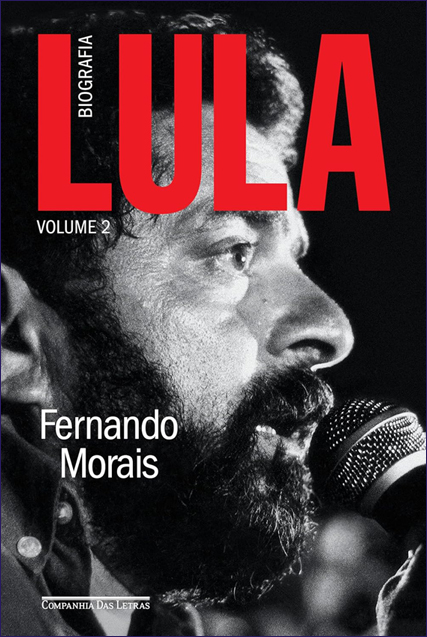
※ ブラジル大統領ルーラ伝記第2巻入荷!! 労働者から大統領へ ブラジル民主化とルーラ躍進の軌跡を描く評伝第二部 ※-本書は、ジャーナリストのフェルナンド・モライスが著したルーラ伝三部作の第二巻です。軍事独裁政権の末期から、2002年の大統領選でかつての労働組合指導者が勝利し、ブラジル史上初の労働者出身の大統領となるまでの歳月を再構成しています。第一巻では、ルーラが労働者党(PT)を創設し、1982年にサンパウロ州知事選へ挑むまでが描かれましたが、本巻もその緊迫感ある筆致を受け継ぎ、現代ブラジルで最も重要な政治家の生涯を詳細にたどります。未公開の情報にもとづき、独裁体制の行き詰まり、ジレッタス・ジャー(直接選挙要求運動)、1989年大統領選でのコロル候補との対決、カルドーゾ政権下のレアル・プランを経て、2002年の大統領選勝利へと至る道のりを描き出します。ノンフィクションの古典的作品で知られる著者は、ルーラの政治的形成にとって決定的だった時期を丁寧に検証し、同時にブラジルの進路そのものを塗り替えた軌跡を浮かび上がらせています。書籍の言語:ポルトガル語 (SBC: 124728)-[対象地域、年代、研究分野]^対象地域はブラジル全土で、年代は1980年代前半から2002年まで、研究分野は現代ブラジル政治史・民主化研究・労働運動史・政治伝記研究です。ブラジル現代史・ラテンアメリカ政治の専門家をはじめ、民主化過程や労働運動・政党史、大統領選挙および経済政策史を研究する政治学者・歴史学者、ならびに政治家評伝・ジャーナリズム研究者を対象としています。
- Lula: Biografia, Vol.2 ∥ Morais, Fernando
- ¥13,420
-
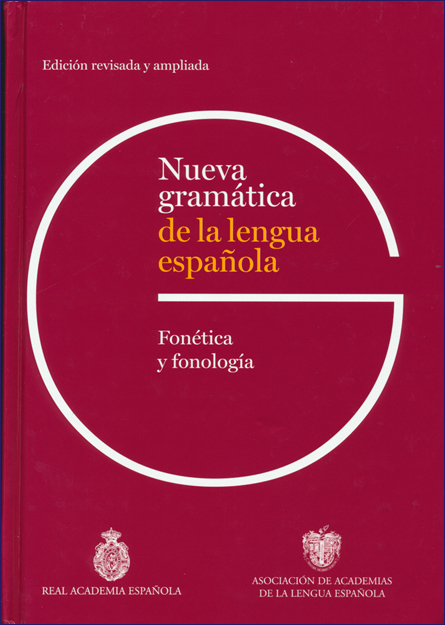
RAE(スペイン王立アカデミー)とASALE(スペイン語アカデミー協会)が共同編集した改定新版「アカデミア最新スペイン語文法」シリーズ(既刊3巻)。2025年10月に刊行された本書は、その第4巻(最終巻)です。 2011年版の 555頁から 新版は 700頁余と大幅に改訂増補 !!
※ スペイン語の音声を体系的に理解するための資料として、研究者、教育関係者、上級学習者に不可欠であり、大学図書館・研究室にも必須の一冊です。
※ 大幅な改訂と更新: 旧版以降に進んだ最新の研究成果、特に言語の「バリエーション」に関する知見を全面的に反映。技術の進歩を活用し、内容の理解を助けるための工夫が凝らされています。
※ 具体的な革新点: 知覚音声学への配慮、第1章の全面的な書き直し、イントネーションを扱う第10章の大幅な改訂、QRコードによる発音サンプルの導入、補足的な参考文献の追加など。- Nueva gramática de la lengua española: Fonética y fonologia ∥ R.A.E.
- ¥17,380
-
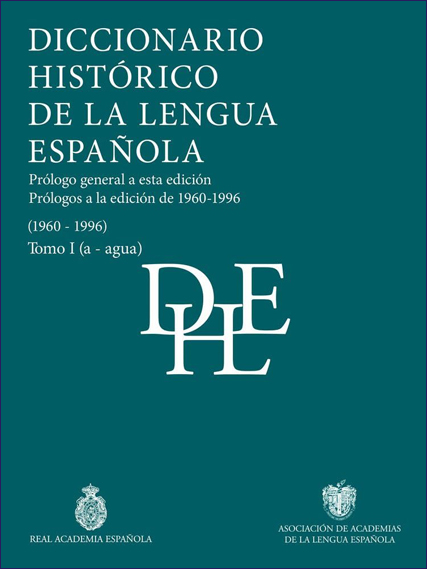
※ スペイン王立アカデミーとASALE(スペイン語アカデミー協会)が共同編纂した、スペイン語の語彙の歴史を包括的に記録する辞書。語源・形態・意味の変化を詳細に解説しています。
※ DHLE(スペイン語歴史辞典)プロジェクトは現代のデジタル技術と国際的な共同作業体制を駆使して進行中の画期的な取り組み。
※ 10巻本・合計2万ページ超となる今回の紙書籍版(印刷版)は本プロジェクトの記念碑的な出版物。図書館・研究室の重要資料として長期保存の価値が高い文献になります。今後の更新はデジタル版に移行する見込みで、今回の書籍版は将来入手困難になることが予想されます。
※ 全10巻のうち、第1~3巻は現在では入手困難な1960年~1996年版(a-apasanca、b-bajoca)の復刻版です。過去の貴重な学術的成果であり、一次史料としての価値が高いものです。
※ 第4~10巻は2005年以降に進められたデジタル版DHLEから代表的な項目を抜粋して構成。
収録内容はスペイン語語彙史研究の最新成果を反映し厳選されています。- Diccionario histórico de la lengua española. in 10 vols. ∥ R.A.E.
- ¥175,780
-
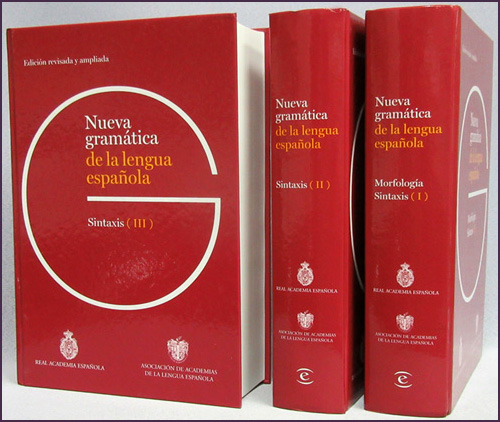
好評発売中!!
第2版 増補改訂版3巻本 「アカデミア最新スペイン語文法」。2009年に2巻本として出版されてから16年、さらに広く深く、スペイン語圏全体のスペイン語を総合的に扱うスペイン語文法書の決定版です!
本書はスペイン王立アカデミー(RAE)とASALE が共同で編纂した最新のスペイン語文法を、より精緻に再構成した改訂増補版であり、形態論から統語論に至るまで、スペイン語の構造を体系的かつ包括的に示す研究書です。従来版よりも内容説明が充実し、分析の明確化、現象の地理的・社会的分布に関する情報の拡充、さらに学習者・研究者双方に配慮した丁寧な解説が加えられています。全3巻・約5000頁に及ぶ大部の構成は、汎ヒスパニック的視点を重視し、スペイン語圏全体の多様性を踏まえた記述を特徴としています。記述文法と規範文法の両面を兼ね備え、学術研究・高度教育機関において必携の基礎資料となる一冊です。- Nueva gramática de la lengua española - Edicion revisada y ampliada in 3 vols. ∥ Real Academia Española
- ¥52,140