
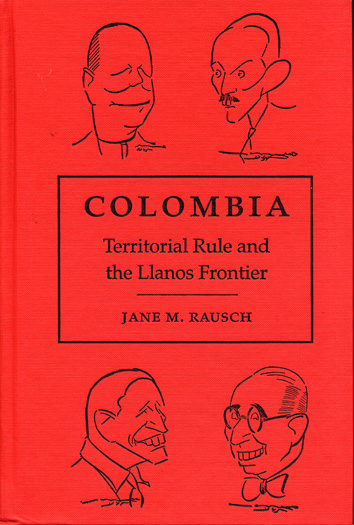
Colombia: Territorial Rule and the Llanos Frontier ∥ Rausch, Jane M.
-----------------------------------
ISBN13: 9780813017181
-----------------------------------
サイズ: 15.5 x 23.5 x 2.2 cm
-----------------------------------
頁 数: xi+286 pgs.
-----------------------------------
装 丁: hard cover
-----------------------------------
出版社: University Press of Florida
-----------------------------------
発行年: 1999
-----------------------------------
発行地: Gainesville
-----------------------------------
双書名:
追加情報: ※ 詳細PDFリンク
本書は、著者ジェーン・M・ラウシュによる、1930年から1946年にかけての4つのコロンビア大統領政権が同国の辺境領域に実効的な統治を確立しようとした取り組みを検証した研究書です。ラウシュは、これらの政策と改革がリャノス・オリエンタレス(東部熱帯平原)地域に及ぼした影響に焦点を当てています。これらの取り組みが最終的に失敗に終わった過程を丹念に検証することで、著者は1948年から1964年にかけて「ラ・ビオレンシア」として知られる長期内戦の激しさと、この地域が1990年代に至るまでゲリラ活動と麻薬カルテル活動の温床としての評判を保ち続けてきた背景の双方を説明しています。ラウシュは、複数の辺境地帯がこれまで理解されてきた以上に、この国の歴史的展開において大きな役割を果たしてきたことを示しています。まずアマゾニアとアフロコロンビア人が暮らすチョコ地域、そしてリャノスに焦点を当て、次いで新たに油田が発見されたことと激しいゲリラ活動の双方によって近年関心を集める戦略的に重要な地域リャノスの詳細な歴史を提示しています。「自由派共和政期における領域統治」と題する第一部では、1930年以前の諸領域、エンリケ・オラヤ・エレーラ政権による基盤形成(1930
1934年)、アルフォンソ・ロペス・プマレホによる「進歩の革命」(1934
1938年)、エドゥアルド・サントスによる定着(1938
1942年)、ロペス・プマレホとアルベルト・ジェラス・カマルゴによる最後の奮闘(1942
1946年)を、「自由派とリャノス辺境」と題する第二部では、ビチャダとアラウカ両特別行政区、メタ準州、ボヤカ州カサナレ県を扱っています。
[対象年代、研究分野]
対象年代は1930年から1946年に至るコロンビアであり、該当する研究分野はラテンアメリカ政治史、コロンビア地域史(辺境統治論)、国家形成論、内戦・ゲリラ研究などです。これらの分野を専門とする読者を対象としています。
※ タイトルページ、目次、プロローグなどは「追加情報」のPDFをご参照下さい。
Description:
Jane Rausch examines the efforts of four presidential administrations to establish effective rule over Colombia’s frontier territories between 1930 and 1946. She focuses on the impact of their policies and reforms on the region of the Llanos Orientales (tropical plains). Her close investigation of the ultimate failure of these initiatives helps explain both the intensity of the long civil war of 1948 to 1964 (known as the Violencia) and the continuation into the 1990s of the area’s reputation as a seedbed for guerrilla activity and drug cartel operations.
Rausch demonstrates that multiple frontiers have played a far greater role in the evolution of the country than has been previously understood. She focuses first on Amazonia and the Afro-Colombian region of Chocó as well as the Llanos; then she provides an in-depth history of the Llanos, a strategically important region gaining interest now because of its newly discovered oil fields as well as its intense guerrilla activity. Colombia will be of great interest to scholars of 20th-century Latin America and to those interested in the role of frontier management in nation-building.
CONTENTS:
List of Maps, Tables, and Illustrations......vi
Preface......ix
Note on Illustrations......xii
Part I. Territorial Rule during the Liberal Republica
Introduction......3
1. The Territories before 1930......5
2. Laying the Foundation: Enrique Olaya Herrera, 1930-1934......27
3. ‘Revolution on Marcha’: Alfonso Lopez Pumarejo, 1934-1938......47
4. Consolidation: Eduardo Santos, 1938-1942......73
5. The Last Hurrah: Lopez Pumarejo and Alberto Lleras Camargo, 1942-1946......102
Liberal Territorial Rule: An Appraisal......121
Part II. The Liberals and the Llanos Frontier
Introduction......127
6. The Comisarieas of Cichada and Arauca: The Far Eastern Frontierr......130
7. The Intendancy of Meta: ‘The Future of Colombia’......157
8. Boyaca’s Province of Casanare: The Forgotten Fronter......188
The Llanos Frontier on the Eve of La Violencia......215
Abbreviations used in notes and bibliography......220
Notes......221
Bibliography......251
Index......263
-
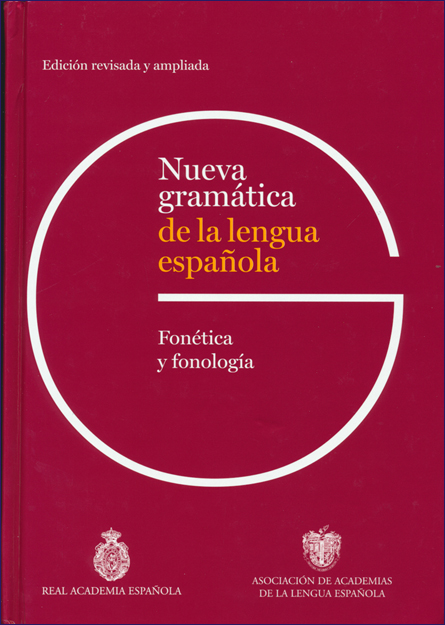
RAE(スペイン王立アカデミー)とASALE(スペイン語アカデミー協会)が共同編集した改定新版「アカデミア最新スペイン語文法」シリーズ(既刊3巻)。2025年10月に刊行された本書は、その第4巻(最終巻)です。 2011年版の 555頁から 新版は 700頁余と大幅に改訂増補 !!
※ スペイン語の音声を体系的に理解するための資料として、研究者、教育関係者、上級学習者に不可欠であり、大学図書館・研究室にも必須の一冊です。
※ 大幅な改訂と更新: 旧版以降に進んだ最新の研究成果、特に言語の「バリエーション」に関する知見を全面的に反映。技術の進歩を活用し、内容の理解を助けるための工夫が凝らされています。
※ 具体的な革新点: 知覚音声学への配慮、第1章の全面的な書き直し、イントネーションを扱う第10章の大幅な改訂、QRコードによる発音サンプルの導入、補足的な参考文献の追加など。- Nueva gramática de la lengua española: Fonética y fonologia ∥ R.A.E.
- ¥17,380
-
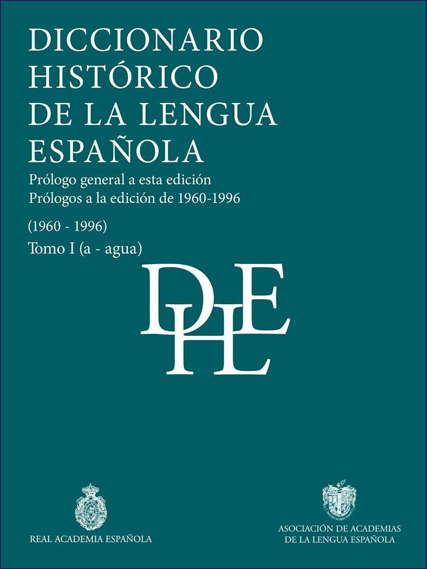
※ スペイン王立アカデミーとASALE(スペイン語アカデミー協会)が共同編纂した、スペイン語の語彙の歴史を包括的に記録する辞書。語源・形態・意味の変化を詳細に解説しています。
※ DHLE(スペイン語歴史辞典)プロジェクトは現代のデジタル技術と国際的な共同作業体制を駆使して進行中の画期的な取り組み。
※ 10巻本・合計2万ページ超となる今回の紙書籍版(印刷版)は本プロジェクトの記念碑的な出版物。図書館・研究室の重要資料として長期保存の価値が高い文献になります。今後の更新はデジタル版に移行する見込みで、今回の書籍版は将来入手困難になることが予想されます。
※ 全10巻のうち、第1~3巻は現在では入手困難な1960年~1996年版(a-apasanca、b-bajoca)の復刻版です。過去の貴重な学術的成果であり、一次史料としての価値が高いものです。
※ 第4~10巻は2005年以降に進められたデジタル版DHLEから代表的な項目を抜粋して構成。
収録内容はスペイン語語彙史研究の最新成果を反映し厳選されています。- Diccionario histórico de la lengua española. in 10 vols. ∥ R.A.E.
- ¥178,200
-
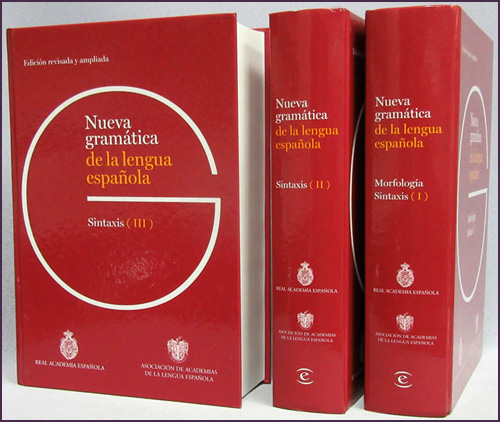
好評発売中!!
第2版 増補改訂版3巻本 「アカデミア最新スペイン語文法」。2009年に2巻本として出版されてから16年、さらに広く深く、スペイン語圏全体のスペイン語を総合的に扱うスペイン語文法書の決定版です!
本書はスペイン王立アカデミー(RAE)とASALE が共同で編纂した最新のスペイン語文法を、より精緻に再構成した改訂増補版であり、形態論から統語論に至るまで、スペイン語の構造を体系的かつ包括的に示す研究書です。従来版よりも内容説明が充実し、分析の明確化、現象の地理的・社会的分布に関する情報の拡充、さらに学習者・研究者双方に配慮した丁寧な解説が加えられています。全3巻・約5000頁に及ぶ大部の構成は、汎ヒスパニック的視点を重視し、スペイン語圏全体の多様性を踏まえた記述を特徴としています。記述文法と規範文法の両面を兼ね備え、学術研究・高度教育機関において必携の基礎資料となる一冊です。- Nueva gramática de la lengua española - Edicion revisada y ampliada in 3 vols. ∥ Real Academia Española
- ¥52,140