
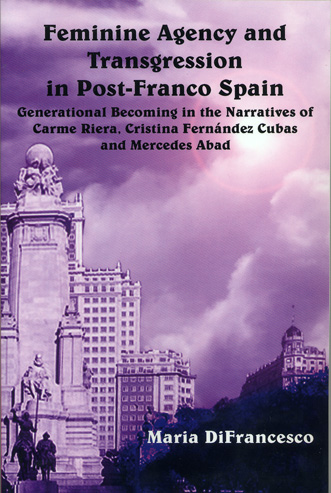
Femenine Agency and Transgression in Post-Franco Spain: Generational Becoming in the Narratives of Carme Riera, Cristina Fernández Cubas and Mercedes Abad ∥ DiFrancesco, Maria
-----------------------------------
ISBN13: 9781588711304
-----------------------------------
サイズ: 15 x 23 x 1.6 cm
-----------------------------------
頁 数: 217 pgs.
-----------------------------------
装 丁: paper cover
-----------------------------------
出版社: Juan de la Cuesta
-----------------------------------
発行年: 2008
-----------------------------------
発行地: Newark
-----------------------------------
双書名:
追加情報: ※ 詳細PDFリンク
本書は、フランシスコ・フランコ(1892
1975)の死後に登場した3世代のスペイン人女性作家、カルメ・リエラ、クリスティナ・フェルナンデス・クバス、メルセデス・アバドの物語世界を検討する研究書です。著者マリア・ディフランチェスコは、国家による検閲の縛りから解放されたこの3人の作家が、サッフォー的な恋人から怪物的な母親に至るまで、物議を醸す女性主体を執拗に描くことでジェンダーやセクシュアリティをめぐる言説の限界を押し広げてきたと論じ、当初の革新性にとどまらず、それぞれが存命中に文学的正典としての地位を確立するに至った持続力にこそ本書の関心の中心があるとしています。3人の作品に共通する主題である女性の主体性と逸脱を世代的な観点から捉え直し、リエラ、フェルナンデス・クバス、アバドの描く女性主人公たちが単に家父長的な権力構図を反転させるだけでなく、女性が伝統的に占めてきたジェンダー範疇そのものを問い直し不安定化させていることを、著者は各作家に一章ずつを割いて「母」「娘」「姉妹」という範疇の書き換えのあり方を分析しながら明らかにしています。
[対象年代、研究分野]
対象年代はフランコ体制終焉後(1970年代以降)の現代スペインであり、該当する研究分野はスペイン現代文学研究、ジェンダー研究・フェミニズム批評、女性作家研究、比較文学などです。これらの分野を専門とする読者を対象としています。
※ タイトルページ、目次、プロローグなどは「追加情報」のPDFをご参照下さい。
Description:
In Feminine Agency and Transgression in Post Franco Spain, Maria DiFrancesco explores three generations of Spanish fiction writers who emerged following the death of Francisco Franco (1892-1975). Freed of the strictures of state mandated censorship, these three women have pushed the limits of sexual and gender related discourse by relentlessly depicting controversial female agents in their narratives, from Sapphic lovers to monstrous mothers. What is most interesting about these authors is that they have gone beyond their initial revolutionary status to exhibit literary staying power, achieving canonical standing within their own lifetimes.
Dealing with the underlying theme common among their narratives - feminine agency and transgression as expressed in generational terms - DiFrancesco fills a gap in scholarship by exploring the ways in which female protagonists portrayed in works by Riera, Fernandez Cubas and Abad do not simply invert patriarchal paradigms of power but rather interrogate and destabilize isomorphic gendered categories that women have traditionally occupied. DiFrancesco dedicates one chapter to each author, analyzing the ways in which each rewrites the categories of «mother», «daughter», and «sister» in her narratives.
DiFrancesco ostensibly concludes that Riera, Fernandez Cubas and Abad have written a formidable body of literature that foregrounds female becoming as constantly negotiated. She suggests that, for each of these writers, being a female agent of transgression has little to do with the successes or failures of feminist political agendas and much more to do with an acknowledgment that categories which have defined women - «mother», «daughter», and «sister» - simply mark becomings that point to multi-dimensional forms of gender categorization. Riera, Fernandez Cubas and Abad thus maintain their popular status because they resist making categorical political statements about what is liberating and what is oppressive while uniquely shedding light on the ways women write their own stories, create their own mythos, and with it, their own locus of power.
TABLE OF CONTENTS:
1. Introduction….7
2. Carme Riera’s Fiction: Traces of Sapphic Love and the Case of the(Missing?) Erotic Mother….17
3. Cristina Fernandez Cubas: Girls, Women, and the Games they Play……73
4. Erotica or Monstrous Subtexts in Mercedes Abad’s Ligeros libertinajes sabaticos and Sangre….161
Conclusion….205
Bibliography…..211
-
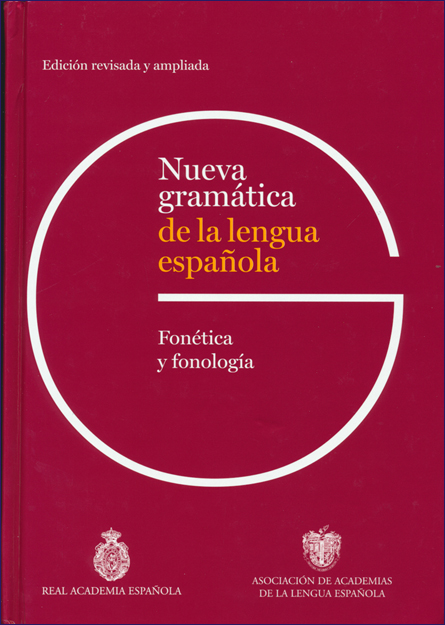
RAE(スペイン王立アカデミー)とASALE(スペイン語アカデミー協会)が共同編集した改定新版「アカデミア最新スペイン語文法」シリーズ(既刊3巻)。2025年10月に刊行された本書は、その第4巻(最終巻)です。 2011年版の 555頁から 新版は 700頁余と大幅に改訂増補 !!
※ スペイン語の音声を体系的に理解するための資料として、研究者、教育関係者、上級学習者に不可欠であり、大学図書館・研究室にも必須の一冊です。
※ 大幅な改訂と更新: 旧版以降に進んだ最新の研究成果、特に言語の「バリエーション」に関する知見を全面的に反映。技術の進歩を活用し、内容の理解を助けるための工夫が凝らされています。
※ 具体的な革新点: 知覚音声学への配慮、第1章の全面的な書き直し、イントネーションを扱う第10章の大幅な改訂、QRコードによる発音サンプルの導入、補足的な参考文献の追加など。- Nueva gramática de la lengua española: Fonética y fonologia ∥ R.A.E.
- ¥17,380
-
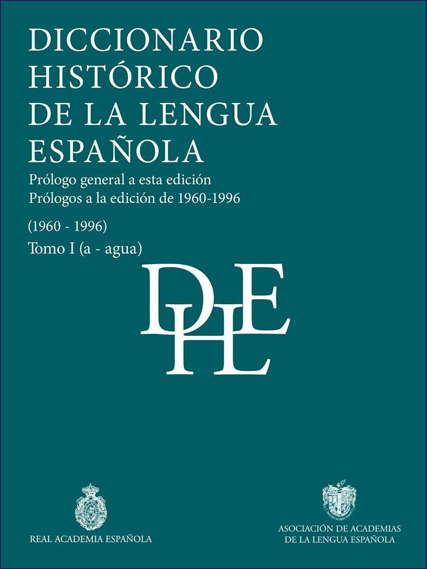
※ スペイン王立アカデミーとASALE(スペイン語アカデミー協会)が共同編纂した、スペイン語の語彙の歴史を包括的に記録する辞書。語源・形態・意味の変化を詳細に解説しています。
※ DHLE(スペイン語歴史辞典)プロジェクトは現代のデジタル技術と国際的な共同作業体制を駆使して進行中の画期的な取り組み。
※ 10巻本・合計2万ページ超となる今回の紙書籍版(印刷版)は本プロジェクトの記念碑的な出版物。図書館・研究室の重要資料として長期保存の価値が高い文献になります。今後の更新はデジタル版に移行する見込みで、今回の書籍版は将来入手困難になることが予想されます。
※ 全10巻のうち、第1~3巻は現在では入手困難な1960年~1996年版(a-apasanca、b-bajoca)の復刻版です。過去の貴重な学術的成果であり、一次史料としての価値が高いものです。
※ 第4~10巻は2005年以降に進められたデジタル版DHLEから代表的な項目を抜粋して構成。
収録内容はスペイン語語彙史研究の最新成果を反映し厳選されています。- Diccionario histórico de la lengua española. in 10 vols. ∥ R.A.E.
- ¥178,200
-
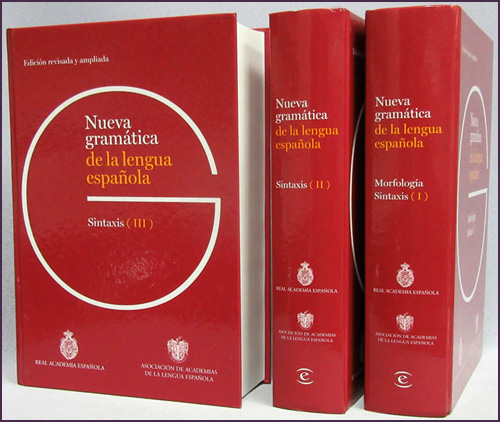
好評発売中!!
第2版 増補改訂版3巻本 「アカデミア最新スペイン語文法」。2009年に2巻本として出版されてから16年、さらに広く深く、スペイン語圏全体のスペイン語を総合的に扱うスペイン語文法書の決定版です!
本書はスペイン王立アカデミー(RAE)とASALE が共同で編纂した最新のスペイン語文法を、より精緻に再構成した改訂増補版であり、形態論から統語論に至るまで、スペイン語の構造を体系的かつ包括的に示す研究書です。従来版よりも内容説明が充実し、分析の明確化、現象の地理的・社会的分布に関する情報の拡充、さらに学習者・研究者双方に配慮した丁寧な解説が加えられています。全3巻・約5000頁に及ぶ大部の構成は、汎ヒスパニック的視点を重視し、スペイン語圏全体の多様性を踏まえた記述を特徴としています。記述文法と規範文法の両面を兼ね備え、学術研究・高度教育機関において必携の基礎資料となる一冊です。- Nueva gramática de la lengua española - Edicion revisada y ampliada in 3 vols. ∥ Real Academia Española
- ¥52,140